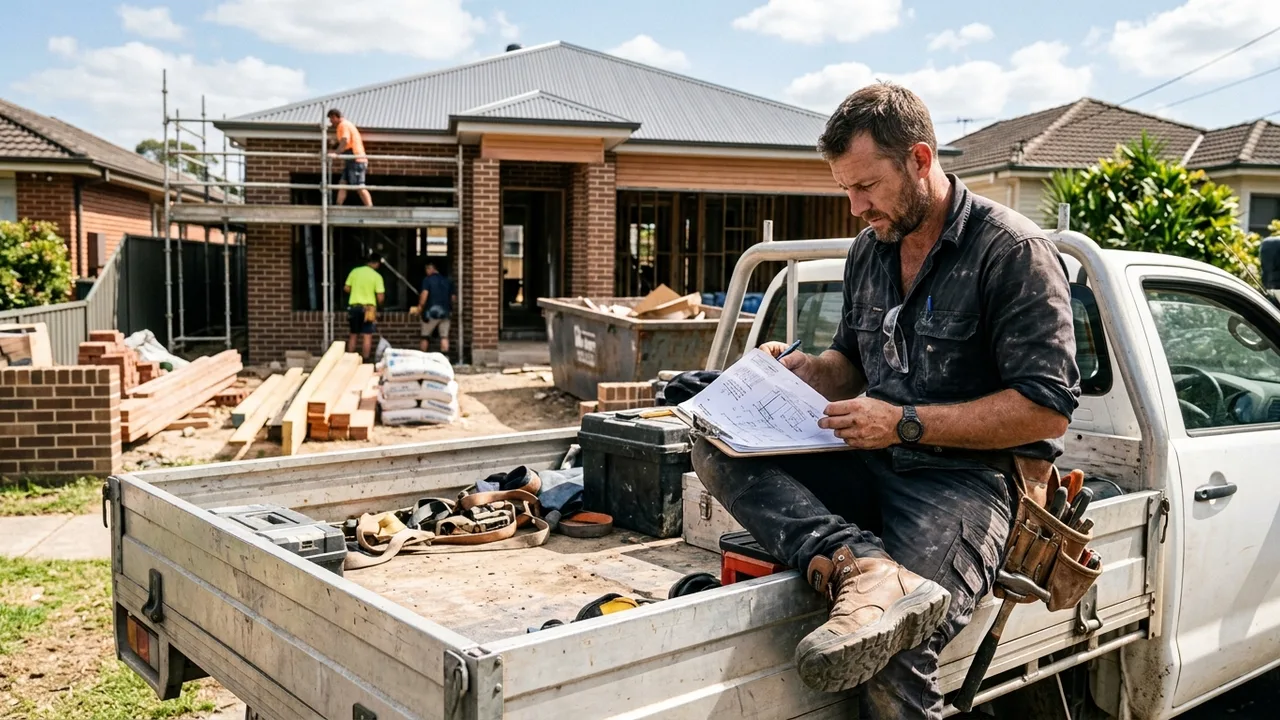
One of the most common things I hear from newly self-employed clients is some version of: I have only been trading a year, so I know I cannot get a home loan yet. It is one of the most persistent myths in lending, and it costs people time they do not need to lose.
The truth is more encouraging. While most major banks want to see two years of self-employment history, a growing number of specialist and non-bank lenders will consider an application with just twelve months of trading, and in some cases even less. It narrows the field, and it usually asks a bit more of your deposit, but the door is far from closed.
This article is general information only and does not take your personal circumstances into account. You should get advice tailored to your situation before acting.
Why two years became the default
Lenders like predictability. Two full financial years of trading lets them see whether your income is stable, growing or falling, and gives them two tax returns to average. One year gives them a single data point, which feels riskier to a credit team, so the major banks generally set two years as their standard for self-employed borrowers.
But a rule of thumb built for the majors is not the whole market. Specialist and non-bank lenders have deliberately built products for capable business owners who simply have not been trading long enough to satisfy a big bank’s model. They price for the additional risk and manage it with a larger deposit, rather than declining the borrower outright.
Who can realistically get approved on one year
You are in the strongest position if several of these apply to you:
- At least twelve months of ABN registration. Twelve months is the common threshold for the specialist lenders in this space. Below that, the field narrows sharply.
- One lodged tax return and notice of assessment. A single strong, lodged return with its ATO notice of assessment gives a lender something concrete to assess.
- Prior experience in the same industry. This is the big one. An electrician who worked as an employee for ten years and then started their own contracting business is a very different risk from someone entering a brand new field. That continuity reassures lenders enormously.
- A clean credit history. With a shorter track record, your conduct carries more weight. Missed payments and defaults hurt more here than they would with two years of financials behind you.
- A larger deposit. This is the trade-off that makes one-year lending work, and it is worth its own section.

The deposit is the key that unlocks the door
Deposit size is the single biggest lever for a short-trading borrower, because a lower loan-to-value ratio reduces the lender’s risk and compensates for the shorter history. As a rough guide to how the market looks in 2026, deposit expectations scale with how long your ABN has been active:
- Zero to six months trading: most lenders want 20 per cent or more, and the options are very limited.
- Six to twelve months: 20 per cent is typical, usually with a specialist lender and strong supporting documents.
- Twelve to twenty-four months: a 10 per cent deposit becomes achievable with some lenders.
- Two years and beyond: the full market opens up, and some lenders accept as little as 5 per cent.
Bear in mind that lenders mortgage insurance can still apply below a 20 per cent deposit, and LMI providers apply their own self-employed overlay. A 20 per cent deposit both widens your lender choice and avoids LMI, which is why it is the sweet spot for a one-year application.
The documents you will need
Because you cannot lean on two years of returns, the supporting evidence does more of the work. A typical one-year, alt-doc application draws on some combination of:
- Your one lodged tax return and notice of assessment. Proof that the return is lodged and assessed by the ATO.
- At least four consecutive BAS statements. Four quarters of Business Activity Statements show consistent, ongoing turnover and let the lender sense-check that your current trading matches your return.
- Business bank statements. A live view of your cash flow. Consistent deposits that line up with your declared income strengthen the picture. Some lenders can now pull twelve months of transaction data directly from your bank with your consent through open banking, which removes the paper chase entirely.
- An accountant’s letter. A signed declaration from your registered tax agent confirming the business is trading and the income is ongoing carries real weight with these lenders.
- A profit and loss statement. Prepared by your accountant, summarising the health of the business.
What it costs: the alt-doc premium
Lenders who accept one year of financials are almost always offering alt-doc products rather than full-doc loans. Alt-doc means your income is verified through BAS, bank statements or an accountant’s declaration instead of two years of tax returns. It is not no-documentation lending. True self-certified low-doc loans, where a borrower simply stated their income with no evidence, have effectively disappeared from the market. When you see low doc advertised in 2026, it almost always means alt doc.
The trade-off is a modest rate premium, generally in the order of 0.3 to 0.8 per cent above the equivalent full-doc rate, depending on the lender, the deposit and the strength of your documentation. For many borrowers that premium is well worth paying, because it is the difference between buying now and waiting another year while prices move.
The smart play: buy now, refinance later
Here is the strategy I most often talk through with clients in this position. An alt-doc loan on one year of financials does not have to be your loan forever. It is frequently a stepping stone.
You get into the property now on an alt-doc structure. Then, once you have two years of tax returns behind you, we refinance to a full-doc loan at sharper pricing. You capture the property at today’s price rather than waiting, and you move to a better rate as soon as your financials support it. Some lenders will even review or reduce the rate for you once full financials become available, without a full refinance. Framed that way, the alt-doc premium is a short-term cost for getting into the market a year or more earlier.
How to strengthen a one-year application
Practical steps that make a real difference:
- Lodge your return early. Do not wait until the deadline. A lodged return with a notice of assessment is often the difference between having options and having none.
- Keep business and personal banking separate. Commingled accounts make it hard for a lender to read your true income, and hard files get declined.
- Keep your BAS consistent and up to date. Four clean, consistent quarters tell a strong story. Gaps or wild swings invite questions.
- Protect your credit conduct. Pay everything on time, and be cautious with buy-now-pay-later and undisclosed personal debts, which weigh more heavily on a short-history file.
- Get the lender match right the first time. Policy in this space changes constantly and varies widely between lenders. A single well-targeted application beats several scattered ones, each of which can mark your credit file.
Frequently asked questions
Can I really get a home loan with only one year of self-employment? Yes, often. Most major banks want two years, but specialist and non-bank lenders will consider twelve months of trading, provided your deposit is strong, your credit is clean and your income is well-documented.
What if I have been trading less than twelve months? Options narrow, but are not always zero. Some specialist lenders will look at six months where you have strong prior experience in the same industry and a larger deposit. This is very much a case-by-case conversation.
Will I pay a higher interest rate? Usually a modest premium, often 0.3 to 0.8 per cent above the equivalent full-doc rate. Many borrowers refinance to full-doc pricing once they have two years of returns.
Does prior industry experience actually matter? A great deal. Moving from employee to self-employed in the same field is one of the strongest things you can show, because it demonstrates continuity of income and expertise.
How big a deposit do I need? For a one-year application, generally around 20 per cent. That both opens up more lenders and avoids lenders mortgage insurance.
Where to from here
Being newly self-employed does not lock you out of the property market. It changes which lenders will look at you and what they need to see. Most of the people who assume they have to wait two years are simply looking at the major banks and not at the specialist lenders built for exactly their situation.
At UniFi Capital, self-employed lending is the core of what we do. If you have been trading for around a year and wondering whether you can buy, tell me the shape of your situation and I can tell you fairly quickly whether it is workable now, which lenders suit you, and what a sensible path looks like.
To find out whether you can buy on one year of financials, get in touch with UniFi Capital.